DIY Roof Inspection: Spotting Common Issues Before They Worsen


Regular roof inspections are essential to maintaining the integrity of your home. By conducting a DIY roof inspection, you can identify and address common issues before they escalate into costly repairs. Whether you're a seasoned DIY enthusiast or a homeowner looking to protect your investment, this guide will help you spot potential problems early.
Why Regular Roof Inspections Matter
Your roof is your home's first line of defense against the elements. Over time, exposure to weather conditions can lead to wear and tear. Regular inspections help you catch small issues before they become major problems, saving you money and keeping your home safe.
Preparing for Your DIY Roof Inspection
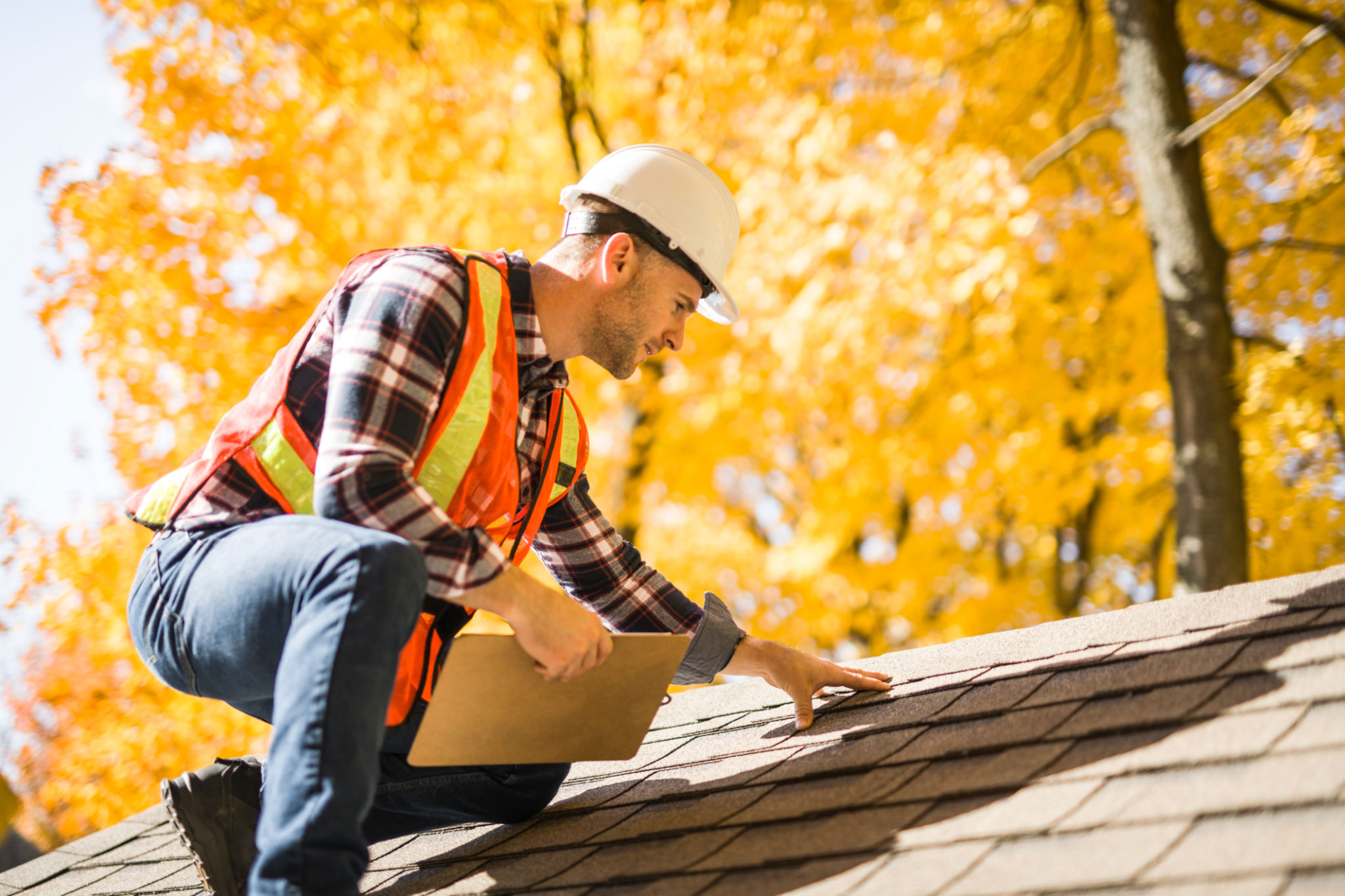
Before you start, ensure you have the necessary tools: a sturdy ladder, a flashlight, binoculars, and a notebook for recording observations. Safety is paramount, so make sure to have a spotter if you're climbing onto the roof.
Inspecting your roof from the ground with binoculars can also provide a good overview. Look for any visible signs of damage and make note of areas that need closer inspection.
Identifying Common Roofing Issues
Damaged or Missing Shingles
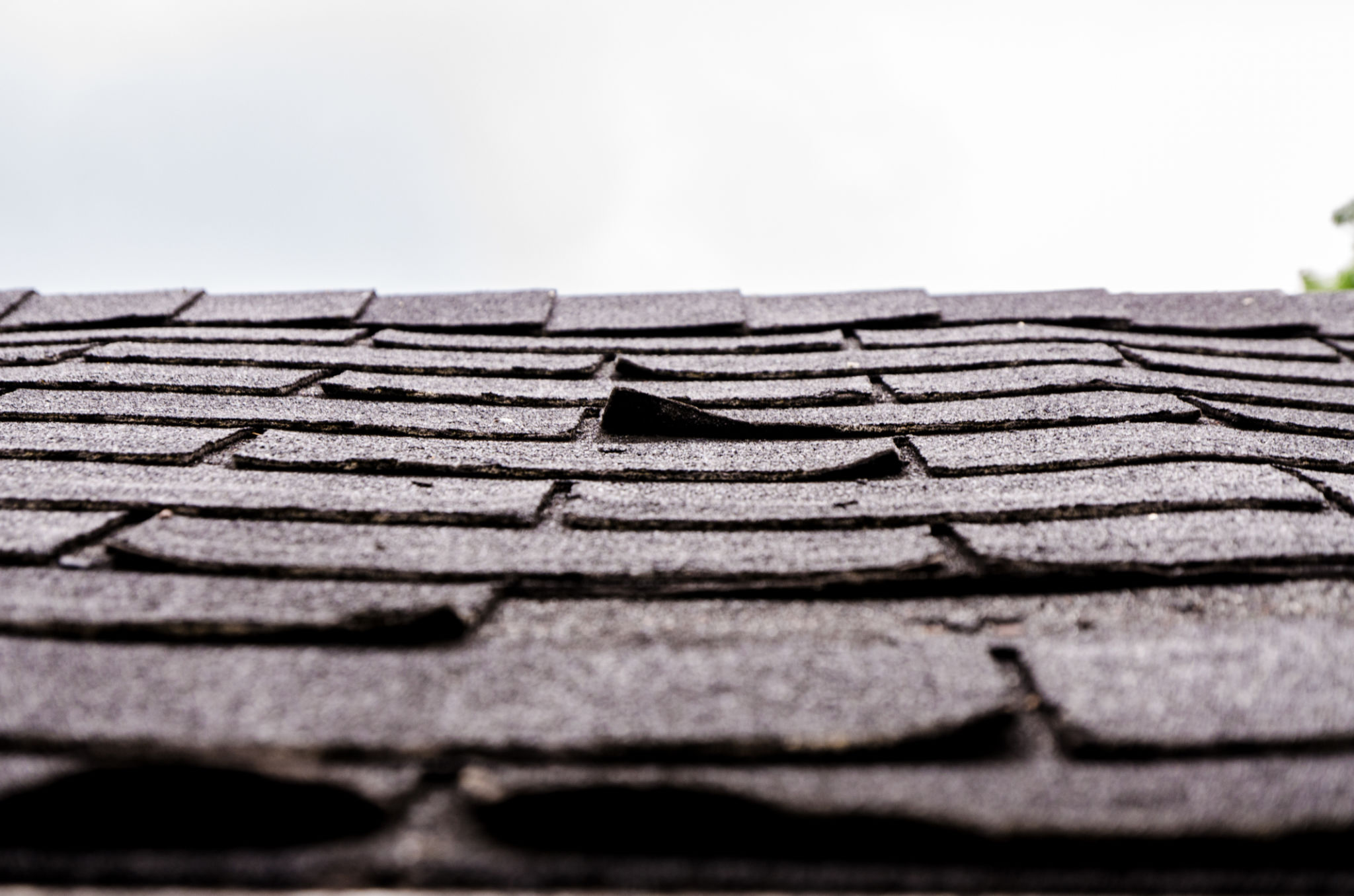
Shingles protect your roof from water damage. Look for any that are cracked, curled, or missing. These issues can lead to leaks and further damage if not addressed promptly.
If you notice shingle granules in your gutters, it may indicate that your shingles are nearing the end of their lifespan. Consider consulting a professional for a more thorough evaluation.
Inspecting Flashing and Seals
Flashing is used around chimneys, vents, and skylights to prevent water infiltration. Check for signs of rust, cracks, or loose seals. Damaged flashing can lead to leaks, especially during heavy rain.
Ensure that seals around vents and other roof installations are intact. Over time, these seals can degrade, allowing water to seep through.
Checking Gutters and Downspouts
Clogged Gutters
Clogged gutters can cause water to back up and seep under your roof. Regularly clean your gutters and downspouts to ensure they're free from debris. This will help prevent water damage to your roof and foundation.

While inspecting, look for signs of sagging or loose gutters. These can indicate the need for repair or replacement to ensure proper water drainage.
Conclusion: When to Call a Professional
While DIY roof inspections are an excellent way to catch early signs of damage, some issues require professional expertise. If you find extensive damage or are unsure about any findings, don't hesitate to contact a roofing specialist. Regular inspections combined with professional evaluations will keep your roof in top condition, safeguarding your home for years to come.