Eco-Friendly Roofing Options: A Trend Analysis for South Australia


As environmental awareness grows, many South Australians are seeking sustainable solutions for their homes. One area gaining increasing attention is eco-friendly roofing. This trend reflects a broader movement towards environmentally conscious living, and understanding the options available can help homeowners make informed decisions.
Why Choose Eco-Friendly Roofing?
Eco-friendly roofing offers numerous benefits. Not only does it reduce the environmental impact of construction, but it can also lead to significant energy savings. These types of roofs often have better insulation properties, helping to maintain a stable indoor temperature and reduce reliance on heating and cooling systems.
Moreover, sustainable roofing materials are often more durable and require less maintenance, making them a cost-effective option in the long run. By investing in eco-friendly roofing, homeowners contribute to a healthier environment and enjoy long-term economic advantages.
Popular Eco-Friendly Roofing Materials
Metal Roofing
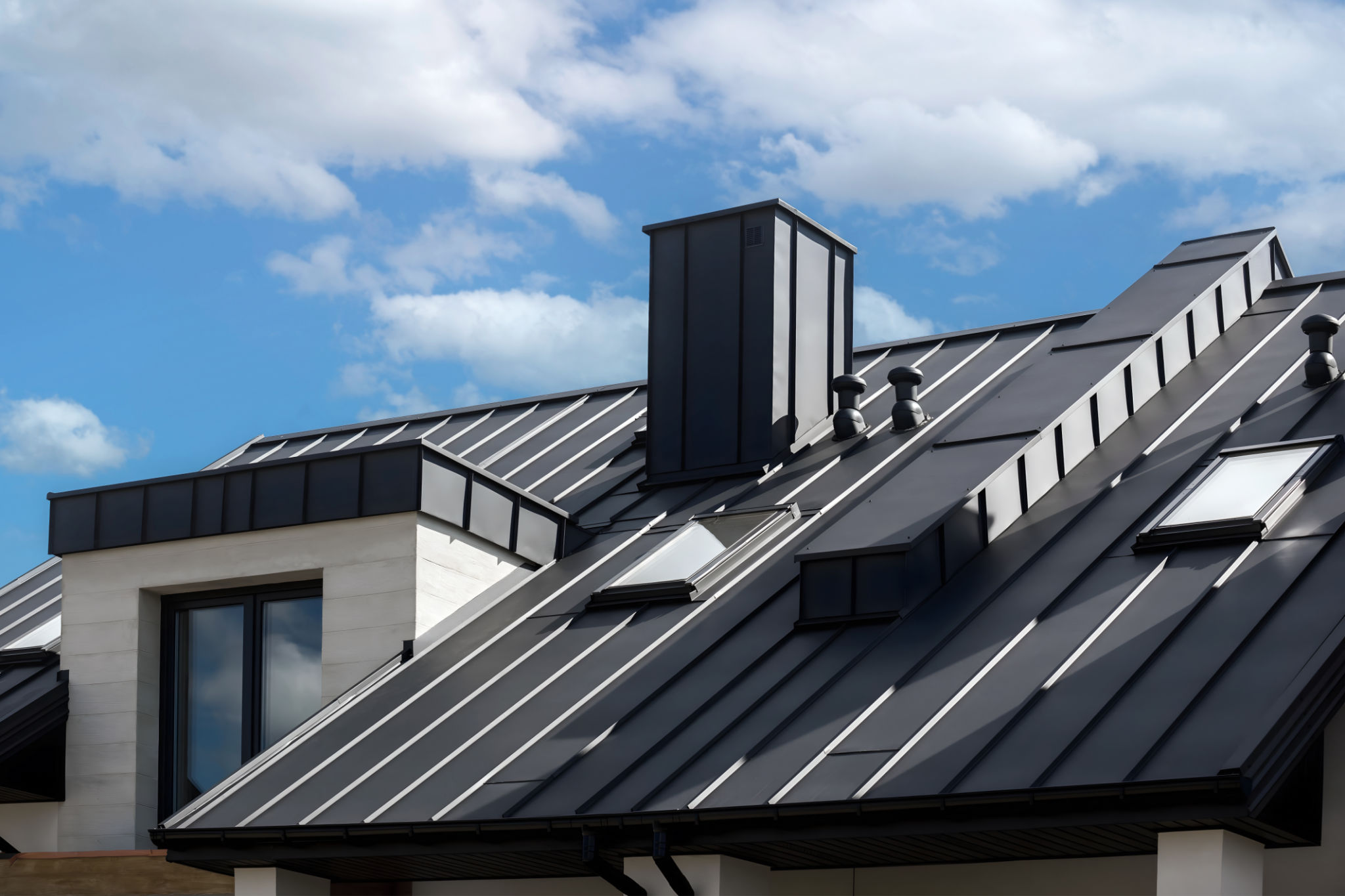
Metal roofing is a popular choice in South Australia due to its durability and energy efficiency. It reflects sunlight, which helps keep homes cooler during hot summers. Additionally, metal roofs are often made from recycled materials and are fully recyclable at the end of their lifespan.
Solar Tiles
Solar tiles are an innovative option for those looking to harness renewable energy. These tiles blend seamlessly with traditional roofing materials while generating electricity from sunlight. They are ideal for homeowners looking to reduce their carbon footprint and energy bills.
Green Roofs
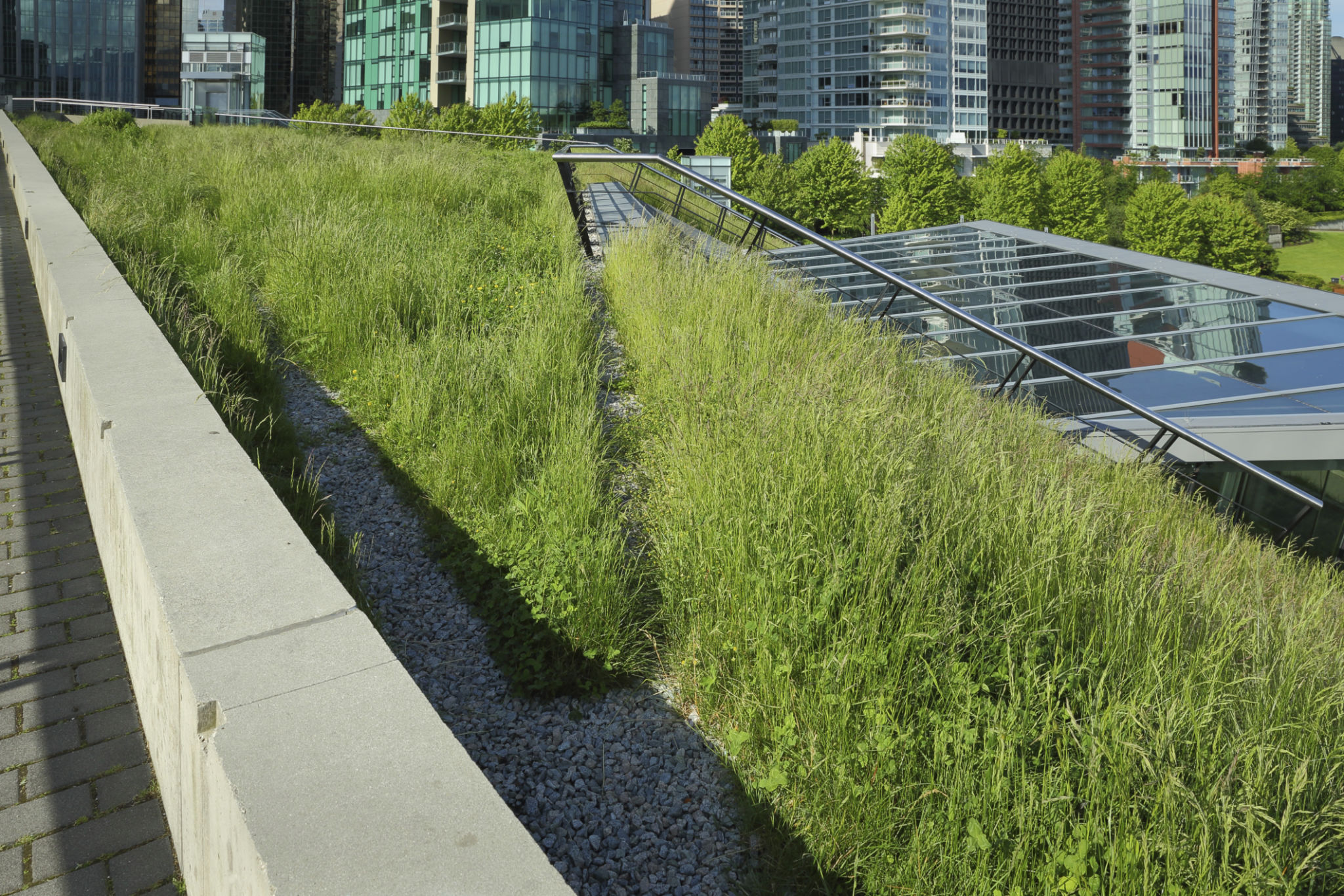
Green roofs, or living roofs, are covered with vegetation and provide excellent insulation. They help reduce stormwater runoff and improve air quality by absorbing pollutants. Although they require a sturdy structure to support the weight, the environmental benefits make them an appealing choice.
Government Incentives and Support
The South Australian government offers various incentives to encourage the adoption of eco-friendly roofing options. These may include rebates for solar installations or grants for energy-efficient home improvements. Homeowners should explore available programs to maximize their investment.
By leveraging these incentives, adopting sustainable roofing becomes more accessible and financially viable. It’s worth researching the specific programs and criteria to take full advantage of government support.
Challenges and Considerations
While eco-friendly roofing offers numerous benefits, it’s important to consider potential challenges. Some materials may have higher upfront costs, and specific installations might require specialized expertise. Homeowners should consult with professionals to understand the best options for their specific needs and property conditions.
Despite these challenges, the long-term savings and environmental benefits often outweigh the initial investment. Carefully planning and choosing the right materials can ensure a successful transition to sustainable roofing.

In conclusion, eco-friendly roofing is more than just a trend in South Australia; it's a step towards a sustainable future. By exploring various options and taking advantage of available incentives, homeowners can make a positive impact on both their wallets and the environment. As this trend continues to grow, so too does the opportunity for innovation and environmental stewardship in the roofing industry.