How to Identify and Repair Storm Damage to Your Roof in South Australia


Understanding Storm Damage to Your Roof
South Australia is no stranger to severe weather conditions, particularly during storm season. Homeowners must be vigilant in assessing potential storm damage to their roofs, which can often be the most exposed part of a house. Identifying and addressing issues early can prevent further damage and costly repairs down the line.

Signs of Storm Damage
There are several signs that your roof may have sustained damage during a storm. Look for missing or broken shingles, as they can leave your roof vulnerable to leaks. Additionally, check for dented or damaged metal components, such as flashing or vents, which could indicate hail damage. Inside your home, watch out for water stains on ceilings or walls, as these can be signs of a leaky roof.
It's also important to inspect your gutters and downspouts for debris or granules from asphalt shingles, which can indicate wear and tear from heavy winds or rain. If you notice any of these signs, it's crucial to take action promptly.
Conducting a Safe Roof Inspection
Safety should be your top priority when inspecting your roof. If you're comfortable doing so, use a sturdy ladder and have someone assist you for additional safety. Wear non-slip shoes and avoid going on the roof if it's wet or unstable. However, if you're unsure or uncomfortable, consider hiring a professional roofer to conduct a thorough inspection.

Steps to Repair Roof Damage
Once you've identified areas of concern, the next step is to plan for repairs. Minor damage, such as replacing a few shingles or resealing joints, can often be handled by homeowners with some DIY experience. However, extensive damage may require professional intervention.
DIY Repairs vs. Professional Help
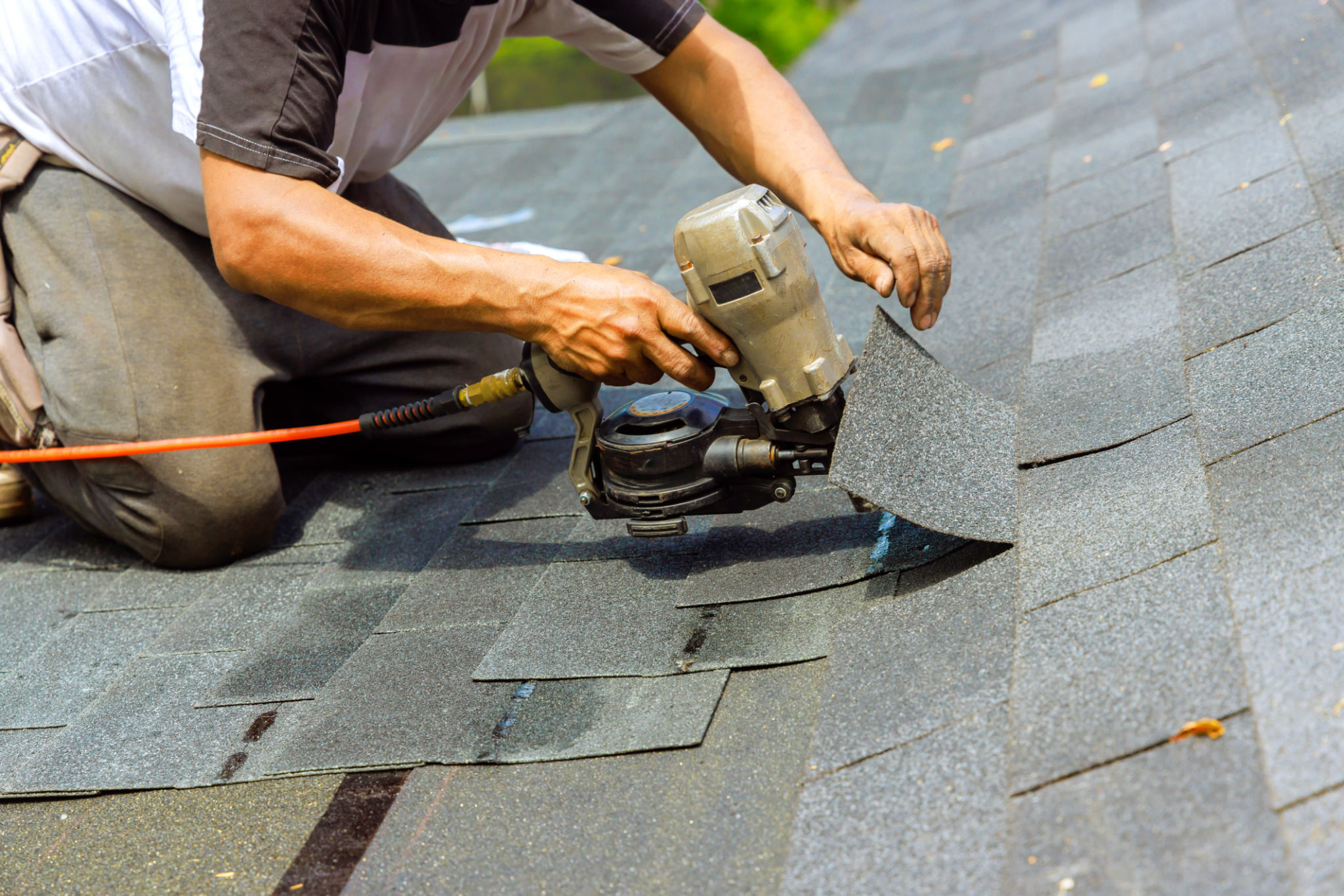
For minor repairs, ensure you have the right tools and materials. This might include replacement shingles, roofing nails, a hammer, and sealant. Follow the manufacturer's instructions to ensure proper installation and sealing.
For more significant damage, such as structural issues or extensive leaks, it's advisable to hire a professional roofing contractor. They have the expertise and equipment to safely and effectively repair your roof.
Preventing Future Damage
Regular maintenance is key to preventing future storm damage. Schedule annual roof inspections and keep gutters clean to ensure proper water drainage. Trim overhanging branches that could fall onto your roof during a storm.
Insurance and Warranties
It's also wise to review your homeowner's insurance policy to understand what types of storm damage are covered. Some policies may cover the cost of repairs or replacements. Similarly, check if your roof is still under warranty, as this might reduce repair costs.
By taking these proactive steps, you can protect your home from the harsh weather elements common in South Australia and ensure your roof remains in top condition all year round.